 Start growing your business online today!
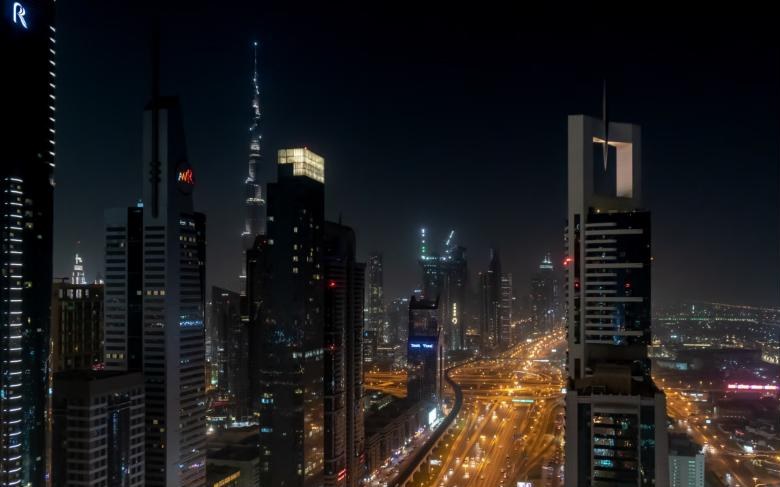

For many brands in Europe and Türkiye, Dubai is one of the first expansion markets that comes to mind. Its international population, strong retail and tourism sectors and position as a gateway to the wider region make it a compelling move. But taking a website that works in Madrid or Istanbul and simply switching the language rarely gets results. This guide covers what matters digitally when entering the Dubai market, from language and design to communication, trust and local search.
Understand Dubai: multilingual, mobile and fast
Most of Dubai’s residents are expatriates from all over the world, so English is the everyday language of business. Arabic is the official language, and for Emirati citizens and customers from elsewhere in the Arab world, Arabic content signals respect and credibility.
Users are mobile-first, expect fast replies and value a premium experience. Be clear about who you are targeting from day one: expat professionals, Emirati families, tourists or B2B buyers? Your language priorities, design tone and channel mix all follow from that answer.
English and Arabic: localisation, not translation
For most brands, the right approach is an English main site followed by an Arabic version. The Arabic version should never be machine translated; it needs a native Arabic speaker who understands your sector. Poor Arabic can do more damage than no Arabic at all.
Localisation points to cover:
- Prices shown in AED, with VAT clearly stated
- Phone numbers in +971 format and addresses in local style
- Imagery chosen with regional cultural sensitivities in mind
- Opening hours and weekends that reflect the local calendar
- Separate URLs per language with correct hreflang tags (en-AE, ar-AE)
RTL design is more than right-aligned text
Arabic is written right to left (RTL), which means the entire layout is mirrored. Navigation starts on the right, next and back arrows flip, and icons and form fields change alignment. Setting dir=”rtl” and lang=”ar” in the HTML is the first step; the real work is writing CSS with logical properties (such as margin-inline-start) so the layout adapts properly.
Typography deserves particular care. The font you chose for Latin text may not include Arabic characters at all, so you will need a dedicated, highly legible Arabic typeface with adjusted line height and size. Elements that must stay left to right, such as numbers, phone numbers and product codes, need testing too.
<html lang="ar" dir="rtl">
<link rel="alternate" hreflang="en-ae" href="https://example.com/en-ae/">
<link rel="alternate" hreflang="ar-ae" href="https://example.com/ar-ae/">
<link rel="alternate" hreflang="x-default" href="https://example.com/en-ae/">
WhatsApp-first communication
In Dubai, the first conversation between a customer and a brand very often happens on WhatsApp. Visitors would rather send a message with one tap than fill in a long contact form, and they expect a quick answer.
Put WhatsApp at the centre of your site: a visible button on product and service pages, pre-filled messages and a WhatsApp Business account to handle busy periods. As your team grows, the WhatsApp Business API lets several agents manage one number and send automated greetings. Factor in the time difference with your home office and state your response times clearly to set the right expectations.
Trust signals for a premium-minded audience
Consumers and business buyers in Dubai have plenty of choice and look for reassurance before trying a new brand. Your website has to establish that trust within seconds.
Trust elements worth highlighting:
- Your UAE trade licence or local partner details
- A local address, +971 phone number and map location
- Testimonials and case studies from clients in the region
- Google Business Profile reviews
- Local payment options and transparent delivery and returns terms
- Professional photography and video that reflect a polished brand
Local search and visibility
People in Dubai rely heavily on Google Search and Google Maps to find services. If you have a physical office or store, complete your Google Business Profile in full, keep categories, hours and photos current, and reply to reviews consistently.
Research English and Arabic keywords separately; Arabic searches are not literal translations of English ones. Service pages built around specific districts such as Dubai Marina, Business Bay or Deira can improve local visibility. Pay attention to hosting and CDN choices too; a site that loads quickly for users in the region helps both rankings and conversions.
Advertising and social channels
Instagram, LinkedIn, TikTok and Snapchat are all effective in the region; which one leads depends on your audience. For B2B services, LinkedIn and Google Ads usually perform best, while retail and lifestyle brands tend to see stronger results on Instagram and TikTok.
Build dedicated landing pages for campaigns and set language targeting per campaign. Ramadan, Eid and local events such as the Dubai Shopping Festival shape both buying behaviour and ad costs, so plan your campaign calendar around them.
Dubai digital readiness checklist
Before launch, review the following:
- English site ready with localised content and AED pricing
- Arabic version reviewed by a native speaker
- RTL layout tested across all templates and on mobile
- WhatsApp button and fast-response process live
- Trust signals and local contact details clearly visible
- Google Business Profile and hreflang set up
Final thoughts
Success in the Dubai market depends as much on digital readiness as on the quality of what you sell. A bilingual, RTL-ready website that is easy to reach on WhatsApp and inspires trust puts you on an equal footing with established local competitors. Norcored works on English and Arabic websites, RTL design and region-specific campaigns; you can reach us at info@norcored.com.
Key takeaways
- English is Dubai’s business language; Arabic builds reach and trust.
- Arabic content must be localised by native speakers, not machine translated.
- RTL design means mirroring the whole layout and choosing proper Arabic typography.
- Make WhatsApp the primary contact channel on your site.
- Local licence, address, reviews and Google Business Profile build credibility.
FAQ
Do I need an Arabic website for Dubai?
If your audience is purely expat professionals, you can start in English. If you want to reach Emirati customers, government bodies or other Arab markets, an Arabic version is a significant advantage.
Is it hard to adapt my existing site to RTL?
It depends on how the site was built. A modern site using logical CSS properties adapts fairly easily; older themes with hard-coded left and right values need more work.
Which domain should I use for the UAE?
A .ae domain strengthens local perception but has local registration requirements. Many brands do well with folders such as /en-ae/ and /ar-ae/ on their existing .com domain.