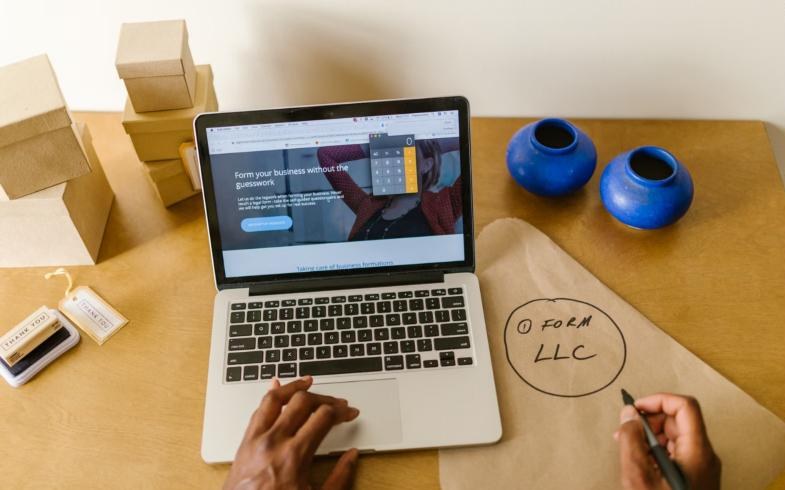
 Start growing your business online today!
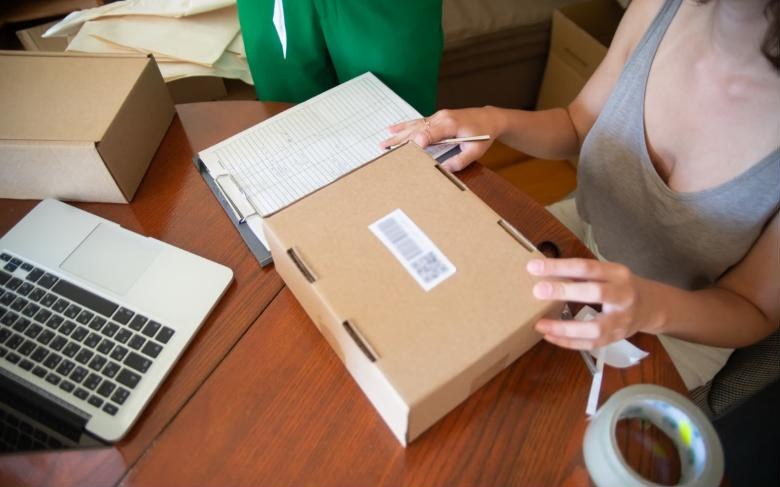

Plenty of brands start on Instagram: good photos, a loyal early audience and a steady stream of “price please” comments. It is a brilliant way to begin. But as orders grow, answering the same question fifty times, sending bank details, chasing payment screenshots and tracking stock in your head becomes a job in itself. This guide covers when it is time to move from Instagram to an online store, what to get right during the switch and how to build a real shop without losing the social channel that got you here.
The hidden cost of selling in DMs
The biggest problem with DM selling is not the time it takes but the fact that it does not scale. Every order needs a conversation, and every conversation depends on someone being available. A customer browsing at midnight who gets a reply the next morning has often moved on.
Other risks grow alongside it:
- Stock tracked in a notebook or from memory, leading to the same item being sold twice
- Errors in matching bank transfers to orders, and confusion around returns and cancellations
- Customer details scattered across chats, making repeat sales hard
- Your entire sales channel stopping overnight if the account is restricted or platform rules change
- Hidden prices quietly eroding trust with new visitors
When should you make the move?
There is no magic order count, but the signs are clear. If a large part of your day goes on answering the same questions, if stock mistakes have started, if your setup cannot handle a proper sale or promotion, or if enquiries are arriving from abroad, you need a store.
Moving does not mean leaving Instagram. Instagram stays as your shop window and discovery channel, while selling, payments and order management move to infrastructure you control. A store on your own domain is an asset no algorithm change can take away.
Choosing the right platform
The right platform depends on how many products you sell, how comfortable your team is with technology and where you plan to grow. Hosted platforms such as Shopify offer a fast start and low maintenance. Open-source options such as WooCommerce give more flexibility but come with hosting, updates and security to manage. If your workflows are genuinely unusual, custom development may be worth considering.
Ask these questions before committing: are integrations with your local payment providers and couriers ready to use? Does it support catalogue sync with Instagram and Facebook? Can it grow into international and multilingual selling? Can you export your data if you ever want to move?
Catalogue sync: one source, many channels
The most important technical step is managing your catalogue in one place. Product names, prices, stock, variants and images live in your store and flow automatically to Instagram and Facebook through Meta Commerce Manager. When a price changes or an item sells out, you update it once.
With the catalogue connected you can tag products in posts and stories and send followers straight to the product page. Getting product descriptions, variant names (size, colour) and category structure right from the start pays off later in both advertising and SEO.
Payments: trust and convenience
The most common hesitation in DM selling is “I’ve sent the money, will the product actually arrive?” Card payments with Strong Customer Authentication, handled by a recognised payment provider, remove most of that doubt.
Stripe, PayPal and Shopify Payments are common choices for selling in Europe and North America; in the UAE and Türkiye there are strong local gateways too. Decide early whether you will offer instalments, cash on delivery or bank transfer as an option. Prepare the legal pages before launch as well: terms of sale, privacy policy, cookie notice and a clear returns policy that meets the consumer rules of the countries you sell to.
Shipping and order operations
Once the store is live, operations need to grow up too. With a courier integration, shipping labels are generated automatically, customers receive tracking links and handwritten address errors disappear.
Decisions to make during setup:
- Which courier or couriers to use, and negotiated rates
- Whether to offer a free shipping threshold
- Handling time and a daily cut-off for same-day dispatch
- How returns and exchanges will work, step by step
- Your packaging standard and unboxing experience
Keeping Instagram as a sales channel
After launch, you need clear and consistent signposting to bring your audience across. Put the store link in your bio, tag products in posts and stories, and use highlights for FAQs, sizing and delivery information.
You do not have to switch off DMs; just change their role. DMs become the place for sizing advice, special requests and after-sales care rather than taking orders. Saved replies and product links move conversations to the store quickly. Installing the Meta Pixel and Conversions API on your store then lets you see whether your Instagram ads are actually producing sales.
Launch checklist
Before going live, check the following:
- Every product is listed with price, stock, variants and quality images
- Payments have been tested with real test orders
- Courier integration and notification emails are working
- Legal pages and returns policy are published
- Meta catalogue sync and product tagging are active
- Analytics, Meta Pixel and conversion tracking are in place
- A content plan is ready to announce the store to followers
Final thoughts
Moving from Instagram to an online store is the point where a personal side business becomes one that can scale. Done well, social media loses none of its power; every post becomes a measurable sales opportunity. If you would like help with the store build, catalogue integration or ad tracking, you can reach the Norcored team on WhatsApp at +34 611 586 170.
Key takeaways
- DM selling is a good start but does not scale and carries real risk.
- Keep Instagram as the shop window; move selling to your own store.
- Manage the catalogue in one place and sync it to Meta automatically.
- Secure card payments and courier integration build trust.
- Legal pages and tracking must be ready before launch.
FAQ
If I have an Instagram shop, do I still need a website?
Yes. Instagram’s shopping features give you a shop window, but payments, customer data, promotions and brand control are far stronger on your own site, and it protects you from platform restrictions.
Will I lose followers when I switch?
No. Your follower count is unaffected; only the checkout step moves to the store. Announcing the launch well and offering a small incentive on first orders helps people make the change.
Should I stop accepting bank transfers?
Not necessarily. Some customers prefer them. Making card payments the default, though, speeds up order confirmation and removes most of the manual checking.